The Docket - Case No. 4
One repost, 43.7 million followers, zero dollars paid
Gigi Hadid beat a paparazzi copyright suit without the court ever deciding fair use. The win came from a filing cabinet: no registration, no lawsuit.
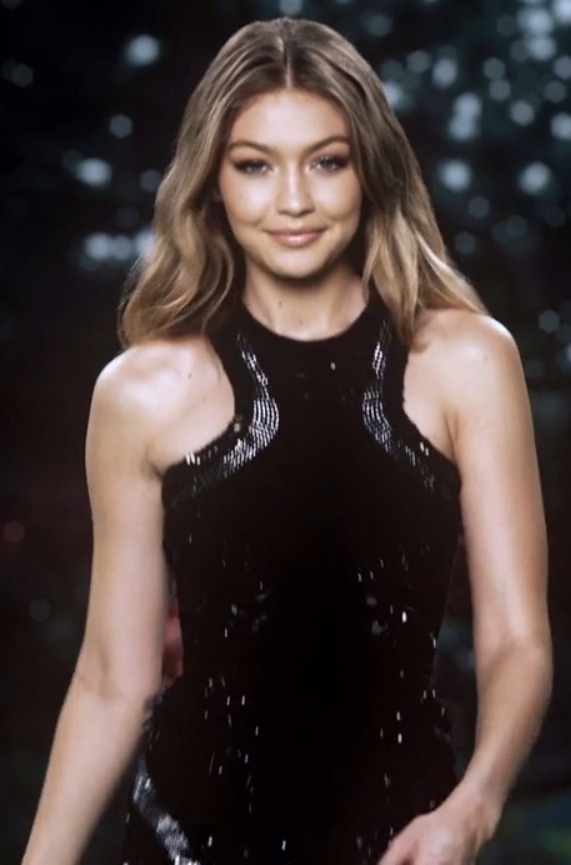

On October 11, 2018, a photographer took a picture of Gigi Hadid standing in front of a ramp, smiling toward the camera. The next day, Hadid uploaded a cropped version of the photograph to her personal Instagram account, where it remained for several days. On January 28, 2019, Xclusive-Lee, Inc., the photo agency, sued her for copyright infringement in the Eastern District of New York. Six months later, the case was gone, and the court had never decided whether what she did was fair use.
The dismissal turned on paperwork, not principle.
What the papers say
The complaint alleged that Hadid copied the photograph to her Instagram page without a license or permission. Her lawyers, from Kaplan Hecker & Fink, moved to dismiss on three independent grounds: the agency had never registered the copyright, the repost was fair use, and Hadid had an implied license as the photograph's subject, a theory tied to her posing for the shot.
Judge Pamela K. Chen granted the motion on the first ground alone. The Copyright Act says an infringement action may not be instituted until registration of the copyright claim has been made, and in March 2019, after the complaint was filed, the Supreme Court confirmed in Fourth Estate Public Benefit Corp. v. Wall-Street.com that an application is not enough: the Copyright Office must actually grant registration before a plaintiff can sue. Xclusive had applied for registration but had never received it. The agency argued that Fourth Estate, decided after it filed, should not apply retroactively. The court disagreed and dismissed the case in its entirety.
That left the interesting questions undecided. The court never ruled on whether reposting a paparazzi photo of yourself is fair use, and never ruled on the implied-license theory. Hadid won the case. She did not win the argument.
The money
Zero dollars changed hands. The case was dismissed on a motion, before discovery, before a jury, before any damages number could be built. That is the best possible financial outcome of a federal lawsuit, and it still required hiring one of the country's top litigation firms to brief and argue the motion.
The opinions do not publish legal bills, so this article will not invent one. What the docket shows is six months of federal motion practice, a 20-page motion to dismiss, full opposition briefing, and a reasoned memorandum and order. That is the cost of being right on a technicality: real lawyers, real hours, real money, for a win that decided nothing about the underlying behavior.
The ruling
On July 18, 2019, the court granted Hadid's motion to dismiss in its entirety. The clerk entered judgment and terminated the action the next day. The holding is narrow and worth quoting in substance: under Fourth Estate, a copyright owner cannot sue for infringement until the work is formally registered by the Copyright Office, and an application alone does not satisfy the statute.
The narrowness is the story. Every creator reading this should understand what the court did not say. It did not say reposting photos of yourself is fair use. It did not say subjects of photographs have an implied license to repost them. The next agency, with its registration paperwork in order, gets to ask those questions fresh. And indeed, Hadid was sued again over a different repost, which tells you everything about how much protection a procedural win buys.
The risk ledger
The everyday act at the center of this case, reposting a photo someone else took, is the most common copyright exposure in the creator economy. Being the subject of the photograph does not make you its author. Cropping it does not make it yours. Deleting it after a few days does not undo the distribution. Hadid's case turned on the plaintiff's missing registration, which is the plaintiff's problem, not a defense you can plan around.
The registration rule cuts both ways, and creators should see both edges. If someone steals your content, your ability to sue in federal court depends on having registered it. If you are the one reposting, your safety depends on the other side's paperwork being incomplete, which is not a strategy. It is luck with a filing deadline.
And the meter point from every case in this series applies here too. Hadid won in six months, which is fast for federal court, and winning still meant paying for the win. The only cheaper lawsuit is the one that never gets filed, and the only reliable way to avoid this one is to post only what you shot, licensed, or have written permission to use.
Why it matters for creators
Copyright claims are the highest-volume legal risk in a creator's working life. Every repost, every reaction video, every background track, every meme template is a potential plaintiff with a registration certificate. Media liability coverage exists for exactly this category: claims that your published content infringed someone's rights, and the defense costs that arrive long before anyone decides who is right.
No promises here. Whether any particular claim would be covered depends on the policy as issued, its terms, conditions, limitations, and exclusions, and the facts of the claim. But the pattern across this series is consistent: the defense bill is the certain bill. It arrives for winners and losers alike, and in copyright cases it arrives over the most ordinary acts in the business, like posting a photo of yourself.
The docket
- Memorandum and Order, Xclusive-Lee, Inc. v. Hadid, No. 19-CV-520 (PKC) (CLP) (E.D.N.Y. July 18, 2019): case-law.vlex.com/vid/xclusive-lee-inc-v-889962698
- Docket, Xclusive-Lee, Inc. v. Hadid, No. 1:19-cv-00520 (E.D.N.Y.): pacermonitor.com/public/case/26854698/XclusiveLee,_Inc_v_Hadid
Legal disclosure
CreatorSure is a creator-facing brand of SongSure LLC, an insurance agency. This article is for general information and education only. It is not legal advice, not insurance advice, and not an offer, quote, or promise of coverage. Case summaries rely on public records and may omit details. Any future coverage would be subject to underwriting review, carrier approval, and the terms, conditions, limitations, and exclusions of the policy as issued. Past case outcomes do not predict future results or coverage decisions. CreatorSure and SongSure are in pre-launch and are not currently writing coverage. Consult a licensed attorney for legal questions and a licensed insurance producer for coverage questions.